2026 LLM API Aggregation Guide: Latency, Reliability & Scale
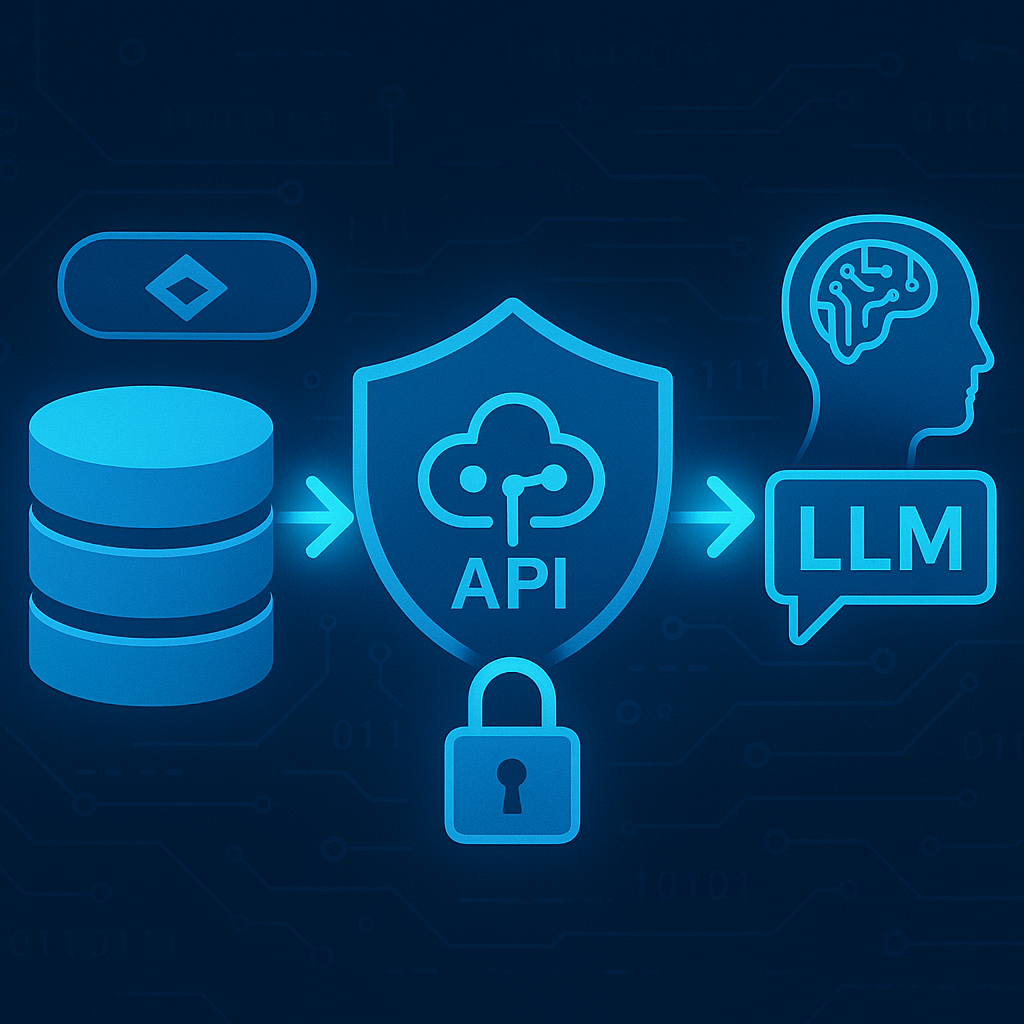
The rapid adoption of models like GPT-5.5 and Claude 4.0 has created a complex landscape for developers. While direct API access is the baseline, the increasing demand for high availability and global performance has pushed API Aggregation (Redistribution) Services from simple proxies into sophisticated "Model Gateways."
This report explores the architectural requirements for a production-grade LLM relay service and how to mitigate common integration risks.
1. Why Direct API Access Is No Longer Sufficient for Enterprises
For small projects, a direct key works fine. However, at scale, developers face three critical "walls":
- Geographic Latency: Direct connections to OpenAI or Anthropic servers can suffer from high jitter in Asian or European markets.
- Rate-Limit Fragility: Single-key deployments are prone to sudden Error 429 outages, halting business operations.
- Payment & Billing Complexity: Managing dozens of different billing platforms for multiple providers creates administrative overhead.
2. The Technical Stack of a Modern API Relay
A high-performance relay service in 2026 is much more than a "middleman." It is an orchestration layer that provides:
A. Intelligent Load Balancing & Multi-Key Pooling
The relay manages a massive pool of enterprise-grade API keys. When a request comes in, the gateway performs a real-time health check on the available keys and routes the traffic to the one with the lowest current load and highest success probability.
B. Global Edge Acceleration (Anycast)
To solve the "TTFT (Time To First Token)" problem, top-tier aggregators deploy edge nodes globally. Your request is received by a local node and routed via a dedicated, optimized backhaul to the model endpoint, bypassing the congested public internet.
C. Protocol Unification
The service acts as a "Translator." Whether you are calling Gemini, Claude, or GPT, you send a standardized OpenAI-compatible JSON payload, and the relay handles the specific transformation and signature requirements for each upstream provider.
3. Performance Benchmark: Relay vs. Direct Connection
We measured the performance of a high-load application (500 concurrent users) using xinglianapi.com's infrastructure compared to standard direct calls.
| Metric | Direct API Connection | Optimized Relay (Aggregator) | Improvement |
|---|---|---|---|
| Average TTFT | 850ms | 220ms | 74% Reduction |
| P99 Latency Stability | High Variance | Low Variance (Stable) | Enhanced UX |
| Request Success Rate | 94.2% | 99.95% | Zero Downtime |
| Deployment Time | Days (Multi-SDK) | Minutes (Unified API) | Accelerated Dev |
4. Operational Best Practices: Ensuring "Invisible" Failover
Implementation of "Circuit Breakers"
A robust relay system must include circuit breakers. If an upstream model (e.g., GPT-5.5-Pro) experiences a global slowdown, the relay should automatically "downgrade" specific non-critical tasks to a faster model (e.g., GPT-4o) to keep the application responsive.
The Metadata Security Layer
One major concern with relay services is data privacy.
- The Solution: Look for providers that implement Zero-Log Policies and end-to-end encryption. In 2026, reputable relays only process the token flow without persisting the content of the prompt in their databases.
5. Conclusion: Choosing the Right Infrastructure
API aggregation is no longer about "reselling tokens." It is about providing a Reliability Layer for the AI-driven economy. For developers building mission-critical apps, the abstraction provided by a relay service allows them to focus on product logic rather than infrastructure maintenance.
Ready to Scale Your AI Application?
For high-speed, stable, and multi-model API access with global acceleration, explore our enterprise solutions at xinglianapi.com.
Related